
Ta strona korzysta z ciasteczek, aby zapewnić Ci najlepszą możliwą obsługę. Informacje o ciasteczkach są przechowywane w przeglądarce i wykonują funkcje takie jak rozpoznawanie Cię po powrocie na naszą stronę internetową i pomaganie naszemu zespołowi w zrozumieniu, które sekcje witryny są dla Ciebie najbardziej interesujące i przydatne.
High-quality substrates for biogas plants and agricultural products

Benefits of using substrates in biogas plants:

Cost Savings
The agricultural and food industries generate large amounts of waste that can be utilized in biogas production, reducing disposal costs.

High Efficiency
Substrates with high-fat content (e.g., fat industry waste) can significantly boost biogas production efficiency.

Waste Reduction
Effective disposal of organic waste from industrial, agricultural, and food sectors, minimizing its environmental impact.
List of Agricultural and Industrial Substrates for Biogas Plants
Substrates used in biogas plants come from various sources, and their quality and chemical composition have a key impact on the efficiency of the methane fermentation process. Here is a sample list of agricultural and industrial substrates, including the fat industry, that can be used in biogas production:
Substrates for Biogas Plants
1.
Manure
- From various livestock: cattle, pigs, poultry, and sheep.
- High content of nitrogen, phosphorus, potassium, and other nutrients.
2.
Slurry
- A mixture of water and animal waste, rich in organic matter and easy to digest.

3.
Crop Residues:
- Straw – from cereals, corn, and rapeseed, which is a good substrate, though sometimes requires preliminary treatment (e.g., cutting).
- Plant residues – leaves, roots, stems, corn leaves, leguminous plants.
4.
Feed and Feed Residues:
- Unused feed, low-quality feed, or surplus feed.
5.
Waste from Fruit and Vegetable Cultivation:
- Contains high amounts of fat, which accelerates biogas production.
6.
Oilseeds and Plant-Based Fats (e.g., oilseed cakes, rapeseed, sunflower seeds):
- Contains high amounts of fat, which accelerates biogas production.
7.
Grass and Hay Waste:
- Collected from pastures or from mowing grass.
8.
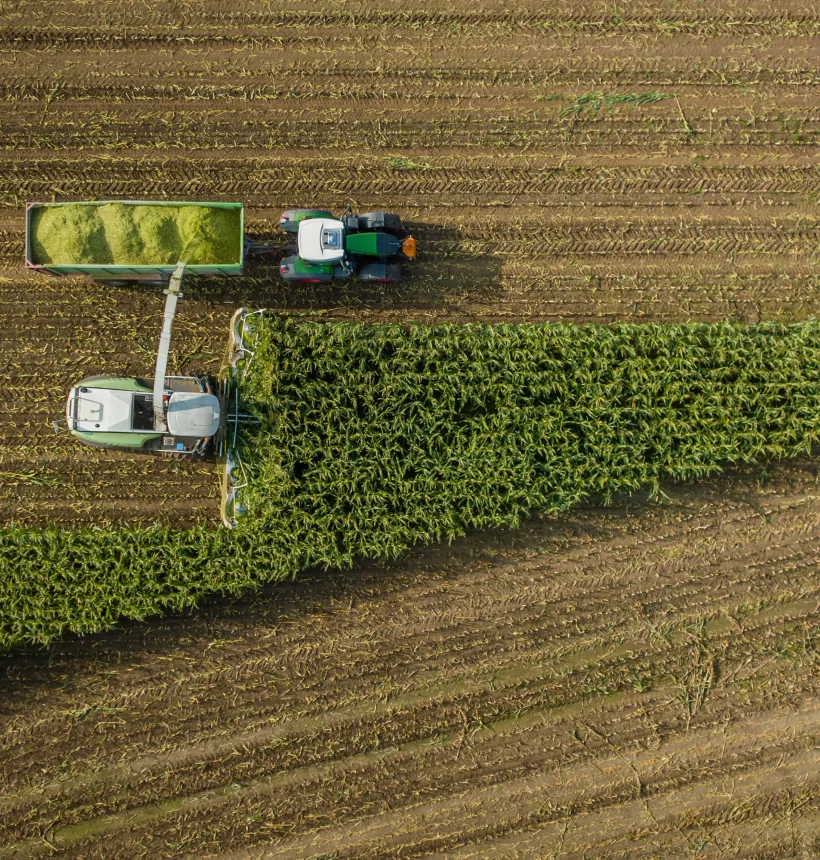
Energy Crops:
- Energy plants such as willow, miscanthus, and maize for biogas production.
9.
Grasses, Silage
- Energy plants, pasture grasses, and waste from pastures.
Industrial Substrates:
1.
Waste from the Food Industry:
- Fruit and Vegetable Waste – leftovers from juice, puree, and canned food production.
- Pomace from pressing fruit (e.g. apples, grapes) – rich in sugars and well suited for fermentation.
- Sugar waste – sugar beets after sugar extraction, molasses, bagasse after sugar production.
- Olive pomace – olive pomace from the olive industry.
2.
Wastes from the brewing and distilling industry
- Brewer's and distillers' grain – remains after beer fermentation.
- Wyłoczyny po chmielu i syropy – pozostałości po przetwórstwie chmielu.
3.
Dairy Industry Waste:
- Whey – a residue from cheese production.
- Expired milk – unused milk can be put to good use in the biogas production process.
4.
Meat Industry Waste:
- Animal fats – waste from meat production, including waste fats.
- Meat bones and leftovers – slaughter waste that is rich in protein and fat.
- Animal blood – a residue from slaughterhouses, also rich in organic components.


5.
Fat Industry Waste:
- Fat waste – waste from the vegetable oil processing industry, including vegetable and animal fat residues.
- Waste oils – used vegetable oils, e.g. from the production of French fries, restaurants, fast food restaurants.
6.
Animal Feed Industry Waste:
- Feed Cake – waste from oilseed processing (e.g., rapeseed, sunflower).
- By-products from Feed Production – residues from animal feed production (e.g., meal, waste from pet food production).
7.
Confectionery and Bakery Waste:
- Leftover cakes, bread, cookies – production waste that can be used to produce biogas.
- Residues from confectionery production** – such as pomace, waste from the production of glucose syrups and sugars.
8.
Glycerin and Derivatives
- Glycerol distillate, G-phase, and other derivatives.
This type of waste, when properly prepared and processed, becomes a valuable source of renewable energy, helping to accelerate the energy transition and support agriculture towards more sustainable development.
Interested? Contact with us.
Talk to our advisor.
